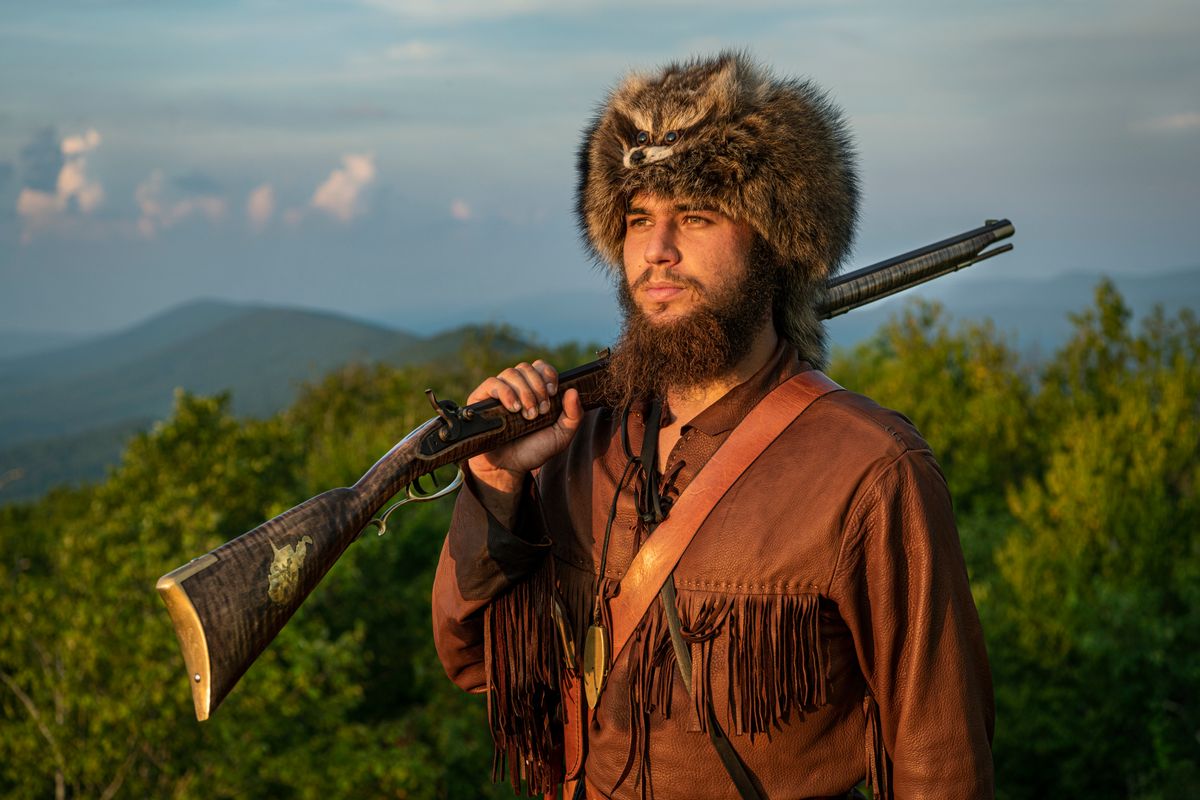

MORGANTOWN, West Virginia — The Mountaineer is one of the most recognizable traditions in college sports. Since 1934, the buckskin, the coonskin cap, and the rifle have symbolized pride, toughness, and the spirit of West Virginia University.
It is an honor students dream about. It is a role that connects generations. It is the face of the university on game day, at alumni events, and across the country.
And yet, through all those decades, one thing has never changed.
The person wearing the buckskins has never been a person of color.
The 4 finalists to become #WVU's next Mountaineer.
Personally, I'd love to see a black Mountaineer for the first time in West Virginia history. pic.twitter.com/x69Vq6e9Q2
— The Voice of Morgantown (@voicemorgantown) February 13, 2026
Why the conversation is happening
Look at modern WVU athletics. Many of the athletes who power the biggest moments in football and basketball are Black. They fill highlight reels, break records, and carry the Flying WV into national conversations.
Representation matters in those spaces. It shapes who feels seen, who feels included, and who can picture themselves as part of the tradition.
So it is fair for people to ask why the most visible symbol of school pride has never reflected that same diversity.
This is not about taking something away from anyone. It is about widening the picture of who gets to stand at the center of it.
Tradition can grow
College traditions evolve all the time. Uniforms change. Facilities modernize. Conferences shift. What once felt permanent adapts to a new era.
The Mountaineer can too.
Having a Black student represent the university would not erase history. It would add to it. It would tell future students that the role belongs to anyone willing to earn it and carry it with pride.
This week’s selection
Four students are competing to become the 72nd Mountaineer mascot.
Congratulations to Reese Allen, Amelia Bolden, Tanner Figgatt, and Joel Hershman for stepping forward and embracing the challenge. Anyone who runs for the position deserves respect. The preparation, public appearances, and responsibility are real.
But it is also okay for observers to notice that, once again, the finalists are all white.
That reality is what fuels the larger discussion.
Four WVU students will vie this week to become the 72nd Mountaineer mascot! Congratulations to:
🟡 Reese Allen
🔵 Amelia Bolden
🟡 Tanner Figgatt
🔵 Joel Hershman
Read more about the finalists ➡️ https://t.co/GZ8m2Gmr4h pic.twitter.com/3mBCsyoSnC
— WVU Foundation (@WVUFoundation) February 15, 2026
The opportunity in front of WVU
Moments like this invite reflection. They allow a university to ask how it can honor tradition while also ensuring that every community within it feels represented.
It does not require tearing anything down. It simply asks whether the door has truly been open to everyone.
The bottom line
The Mountaineer stands for West Virginia.
All of West Virginia.
As the university continues to grow and as its student body and athletic programs reflect a wide range of backgrounds, many believe the mascot should too.
The conversation is not going away. And sooner or later, the image of who wears the buckskins may change in a way that feels both overdue and worth celebrating.