MORGANTOWN, West Virginia — When Wren Baker arrived at West Virginia University in late 2022, he inherited an athletic department facing significant challenges. The football program was struggling to regain national relevance, college athletics was entering an unprecedented period of financial change, and the men’s basketball program was approaching the end of one of the most successful coaching eras in school history. Baker knew that the decisions he made over the next several years would ultimately determine how his tenure in Morgantown would be remembered.
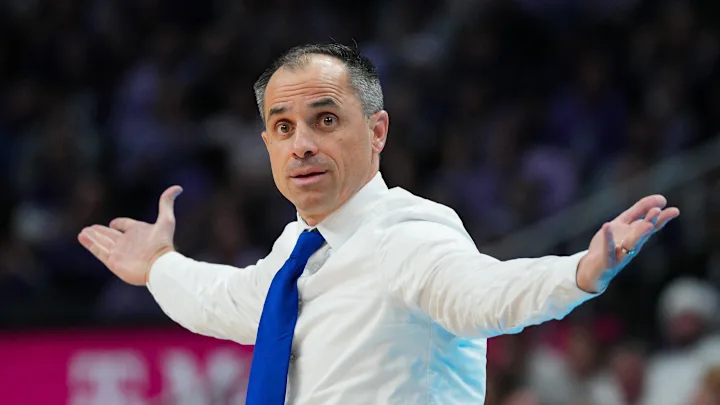
Nearly four years later, Baker has made some of the most consequential coaching decisions in recent WVU history. He brought Rich Rodriguez back to lead the football program, hired Mark Kellogg to rebuild women’s basketball, and has now overseen multiple coaching transitions in men’s basketball. But there’s a strong argument that his decision to hire Ross Hodge could ultimately have as much influence on his legacy as anything else he’s done at the university.
The men’s basketball program has experienced an unusual amount of instability since Bob Huggins departed in 2023. Josh Eilert served as interim head coach before Baker hired Darian DeVries, who left for Indiana after just one season. Baker was then forced to conduct another coaching search, eventually turning to Hodge, a coach he knew well from their time together at North Texas.
It was a decision that came with both advantages and risks. Hodge had built an impressive reputation as a defensive-minded coach and had enjoyed considerable success at North Texas. Baker knew what kind of person and coach he was hiring, and that familiarity undoubtedly provided some confidence during a difficult transition. But West Virginia isn’t North Texas, and the expectations surrounding a Big 12 basketball program are considerably different.
Hodge’s first season provided reasons to believe Baker made the right decision. West Virginia finished 21-14, won nine Big 12 games, and defeated Stanford, Creighton, and Oklahoma to capture the College Basketball Crown championship. Considering the roster turnover and uncertainty surrounding the program, that was a respectable accomplishment. Hodge demonstrated that he could establish a competitive culture quickly and get players to buy into his system.
But Baker’s legacy won’t ultimately be determined by whether Hodge can win 20 games and qualify for a secondary postseason tournament. It will be determined by whether West Virginia basketball returns to the level of success fans experienced during the best years under Huggins and other successful Mountaineer coaches. That means regular NCAA Tournament appearances, meaningful victories against nationally ranked opponents, and eventually competing for conference championships.
Baker has already demonstrated his willingness to make difficult decisions and invest in the future of the athletic department. His contract was extended through December 2032, reflecting the university’s confidence in his leadership. But long-term contracts and administrative accomplishments aren’t what most fans remember when they look back on an athletic director’s tenure. They remember whether the teams won and whether the people hired to lead those programs were successful.
That’s why Hodge’s second season is so important. Baker has entrusted him with rebuilding one of the university’s most visible athletic programs, and the coach now has a roster capable of generating legitimate excitement. Miles Sadler, Finley Bizjack, Joson Sanon, Brenen Lorient, and the rest of the Mountaineers give West Virginia a chance to establish itself as a serious Big 12 competitor.
If Hodge succeeds, Baker will receive considerable credit for recognizing his potential and giving him the opportunity to lead the program. If Hodge struggles and the Mountaineers continue missing the NCAA Tournament, the questions will inevitably turn toward Baker and his decision-making.
That’s simply how college athletics works. Athletic directors are judged by the coaches they hire, the resources they provide, and the results those coaches produce. Baker has made several decisions that could eventually transform West Virginia athletics, but the Hodge hire may prove especially important because of how much basketball means to the university and its fans.
Baker’s legacy is still being written. Hodge has an opportunity to make it a very successful one.